

Cattle Export: Processes, Documentation, and Key Considerations
Cattle Export : Processes, Documentation, and Key Considerations
Cattle Exporting internationally involves a series of detailed steps and strict compliance with both local and international regulations. Understanding the export process, preparing the right documentation, and being aware of key considerations are essential for a successful and hassle-free transaction. At Truelivestock, we ensure that every stage of the export journey is managed with precision and transparency.
1. Initial Assessment and Planning
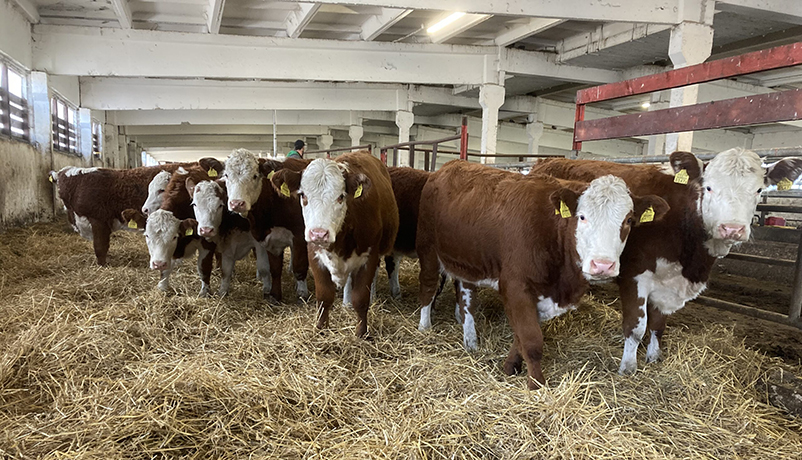
Begin by evaluating the specific requirements of the destination country, including breed preferences, health standards, and import regulations. Careful planning helps avoid delays and ensures compliance.
2. Selection and Preparation of Cattle
Choose healthy, high-quality cattle that meet the buyer’s specifications. Prepare the animals for export by conducting health checks, vaccinations, and necessary treatments.
3. Documentation and Permits
Accurate and complete documentation is crucial. This includes export permits, veterinary health certificates, animal identification records, and transport documents. Truelivestock assists you in gathering and verifying all required paperwork.
4. Veterinary Inspections and Quarantine
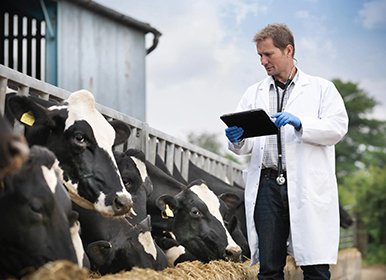
All cattle must undergo veterinary inspections and, if required, a quarantine period to ensure they are disease-free and fit for export. Compliance with international animal health standards is mandatory.
5. Logistics and Transportation
Arrange specialized transport for safe and humane movement of cattle. Plan the route, timing, and necessary stops to minimize stress and ensure animal welfare.
6. Final Checks and Shipment
Before shipment, conduct a final inspection and review all documents. Ensure that all export conditions are met and that the cattle are ready for international transport.
Key Considerations for Successful Cattle Export
- ✔️ Understand and comply with destination country regulations
- ✔️ Prepare accurate and complete export documentation
- ✔️ Conduct thorough veterinary checks and quarantine
- ✔️ Use specialized and humane transport solutions
- ✔️ Maintain clear communication with all stakeholders
- ✔️ Monitor animal welfare throughout the journey
- ✔️ Work with experienced export partners
Exporting cattle is a complex but rewarding process when managed professionally. Truelivestock is dedicated to supporting you at every step, ensuring your cattle reach their destination safely and efficiently.
Health and Quality Standards in Cattle